If you need a builder in Wrexham, then there are certainly many options to consider before you part with your hard-earned cash.
In this guide, we’re going to highlight several key tips you’ll need to keep in mind whenever you’re planning to hire a builder, and if you keep these tips in mind, you should have a much better experience when it comes to hiring the right person for the job. With this in mind, let’s take a closer look.
Tip 1 – Ask around for recommendations
One of the easiest ways to ensure you’re picking a builder who has the skills, experience, and general professionalism to do an excellent job is to ask around your friends, family, and business contacts to see if you can get a solid recommendation.
In many cases, the best builders and contractors will operate primarily based on word of mouth feedback, and this is certainly an effective way for a skilled and successful builder to market themselves. At the end of the day, asking for recommendations and referrals is a great solution whenever you need a builder in Wrexham.
Tip 2 – Give them a mini phone interview
It’s well worth contacting several builders before you settle on any particular one, and taking advantage of a brief phone interview is a great way to get a feel for what each builder can offer you.
In particular, it’s worth asking several questions of each builder, such as the average project size they’re used to working on, as well as the kind of clients they have worked for in the past.
It’s also a good idea to ask about how many simultaneous projects they tend to work on, so you’ll have a better sense of whether they’ll have the time needed to dedicate to your particular project.
Tip 3 – Arrange a face to face meeting
Once you’ve gotten the phone interview out of the way, it’s worth arranging a time for a face to face meeting before the project gets underway. There’s no denying the importance of good communication whenever you’re hiring a new builder, and one of the best ways to ensure you’ll have a good working rapport is to meet them face to face to discuss the project requirements in further detail.
Ultimately, this can also be a good safety measure to protect yourself against builders who may not be best suited for the job, even if they seemed like a reasonable candidate for the project when you were talking to them on the phone.
Tip 4 – Do additional research
These days, it’s easier than ever before to find out more information about a specific company, and using the internet makes it quick and simple to learn more about the builder you’re thinking of hiring. In general, it’s wise to check up on their previous projects and ensure they are capable of delivering the high-quality work you’re expecting.
Overall, choosing a build in Wrexham shouldn’t be too difficult, and if you keep these tips in mind, you’ll soon be able to select the right man for the task.

 Technology has changed a lot over the last decades and become an intricate part of our lives. Businesses have to adapt to the technology that is on offer and make use of it in order to provide the best possible service. If you run a roofing company in Chester, there are a number of technologies that you should look at using.
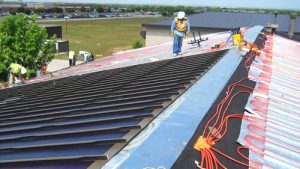 BIM or Building Information Modeling will use a computer program to create a digital representation of a building in Chester. This will allow you to make reliable decisions based on the building imagery in terms of costs and timing. You will also be able to use this information to ensure that your business is always on target for completion.